Is Proof of Reserves the future of audits?

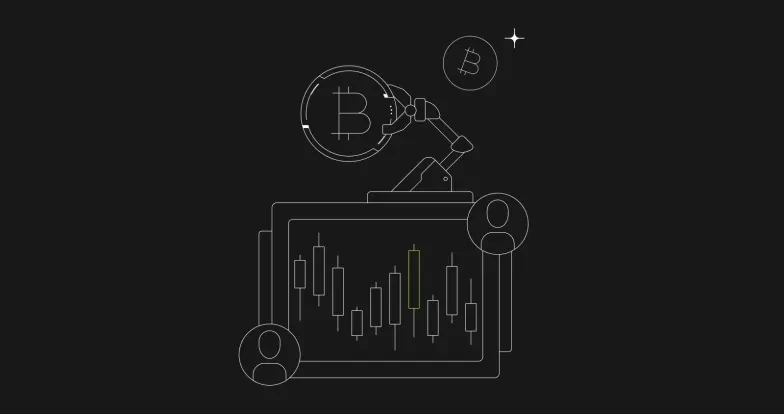
Proof of Reserves (PoR) is a relatively new concept in the financial space, and its potential as an auditing method is still being explored.
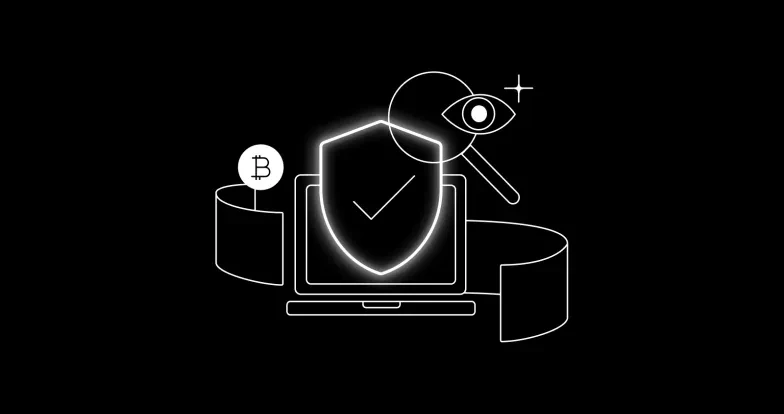
PoRs are cryptographic proofs that the amount a custodian owes to its customers matches 1:1 with what it stores in its reserves. Proof of Reserves is not the same as a financial audit though. Auditing involves much more than simply verifying the match between assets and liabilities: Auditors must also evaluate the accuracy of financial statements and the effectiveness of internal controls.
Yet, PoR has already greatly increased transparency and accountability in the crypto space. And we expect it to keep making strides, with the next generation of PoRs integrating zero-knowledge proofs, for example. Can we imagine a future in which Proof of Reserves completely replace audits? Here's our take, in simple terms. 👇
What are the differences between Proof of Reserves and audits?
Proof of Reserves and audits have the same goal: financial transparency. But they make different tradeoffs and come with their own strengths and weaknesses.
Proof of Reserves
Pros
- Transparency. A well-executed PoR provides great transparency over a custodian's assets and liabilities.
- No trust required. PoRs are based on cryptographic proof, so customers don't have to trust the custodian that publishes it.
- No third-party required. Good quality PoRs allow users to verify the asset-liability match themselves, so they don't have to trust a third-party auditor, for example.
- Open source. Good quality PoRs offer open source tools for users to verify the proof, without having to trust proprietary software.
- Frequency. PoR reports are automated so they can be offered at a much greater frequency than financial audits.
Cons
- No unified standard. There's no official framework for conducting PoRs, which can make it difficult for customers and regulators to assess their quality. This is why education about this new tool is so important.
- Window dressing. It's theoretically possible for an exchange to temporarily inflate its reserves to have assets matching liabilities 1:1 for the time window of the PoR – by borrowing assets, for example. With assets being publicly trackable on-chain and PoRs being published regularly, this is a hard feat to pull, however.
- Privacy concerns. PoRs disclose more or less information about customers' balances, and some methods can raise privacy concerns. The integration of zero-knowledge proofs, however, should largely mitigate these issues.
Audits
Pros
- Reputation incentives. Audits are normally conducted by independent and reputable firms that are recognised and respected by the financial industry. They put their reputation at stake in their audits and have a vested interest in getting things right.
- Holistic view. Financial audits usually contain an assessment of assets and liabilities but they also include lots of other insights and metrics that Proof of Reserves don't cover.
Cons
- Trusted third-parties. Like all humans, auditors can make errors, be prone to bias, or even be corrupted. Most financial audits are free of those shortcomings, of course, but the history of financial fraud shows audits are not always a fool-proof solution.
- Technical limits. When auditors assess assets and liabilities, they don't go over every dollar in every account, they take representative samples of each and infer solvency (or lack thereof!). PoRs, on the other hand, offer a full description of assets and customer liabilities.
- Lack of expertise. Crypto is a new and volatile branch of finance. The valuation of tokens held in reserves can be difficult to assess when their price fluctuates often and auditors might not be trained in analysing crypto businesses and assets.
- Frequency. Because audits are done by humans, they take some time to complete, and are typically done once or twice a year. Compare this to the monthly frequency of most PoRs.
So, what's next?
In summary, Proof of Reserves is a great tool to increase financial transparency and custodian reliability, but it's unlikely to replace traditional auditing methods entirely.
Just like the future of finance will most likely include a mixture of fiat and crypto, the future of financial transparency will likely involve a combination of traditional auditing techniques and emerging technologies like Proof of Reserves.
NOTHING IN THIS ARTICLE IS A SOLICITATION TO BUY OR SELL DIGITAL ASSETS. OKX DOES NOT ENDORSE ANY PARTICULAR DIGITAL ASSET OR STRATEGY. DIGITAL ASSETS HOLDINGS INVOLVE A HIGH DEGREE OF RISK, CAN FLUCTUATE GREATLY ON ANY GIVEN DAY, AND MAY EVEN BECOME WORTHLESS. YOU SHOULD CAREFULLY CONSIDER WHETHER TRADING OR HOLDING DIGITAL CURRENCIES IS SUITABLE FOR YOU IN LIGHT OF YOUR FINANCIAL CONDITION. OKX DOES NOT PROVIDE LEGAL, TAX, INVESTMENT, OR OTHER ADVICE. PLEASE CONSULT YOUR LEGAL/TAX/INVESTMENT PROFESSIONAL FOR QUESTIONS ABOUT YOUR SPECIFIC CIRCUMSTANCES.